

Most athletes train their bodies relentlessly but leave their minds completely untrained. That gap is exactly what sports psychology addresses. Understanding what is sports psychology means recognizing it as the scientific study of how psychological factors shape athletic performance, participation, and overall well-being. It is not reserved for Olympic athletes or those in crisis. Whether you compete at the high school level, run weekend races, or lead a professional team, the mental skills this field teaches are trainable, practical, and directly tied to how consistently you perform when it counts.
Table of Contents
- Key Takeaways
- What is sports psychology, really?
- Core sports psychology techniques
- Supporting athlete well-being and recovery
- How sports psychology works in practice
- Practical steps to get started
- My take on where sports psychology is headed
- Take your mental performance further with Percelx
- FAQ
Key Takeaways
| Point | Details |
|---|---|
| Sports psychology is science-based | It studies how psychological factors like focus, confidence, and anxiety directly affect athletic performance. |
| Mental skills are trainable | Any athlete at any level can build focus, resilience, and self-regulation through structured practice. |
| Well-being is part of the work | Sports psychology supports injury recovery, career transitions, and mental health, not just performance output. |
| Techniques must be personalized | Effective interventions are tailored to your anxiety type, sport context, and individual behavioral patterns. |
| Integration drives results | Mental skills training works best when woven into daily training routines alongside coaches and support staff. |
What is sports psychology, really?
Sports psychology is the scientific study of the psychological factors that influence sport participation, performance, and well-being. The definition of sports psychology has two core objectives: understanding how psychology affects performance, and understanding how sport affects an athlete's psychology. That two-way relationship is what makes this field distinct from general counseling or motivational coaching.
The field draws from psychology, physiology, and behavioral science. It is genuinely interdisciplinary, which means the tools it uses are grounded in research, not guesswork. Mental skills like focus, confidence, and stress management are examined through the lens of what actually happens in competition, not just in a therapy room.
A few common misconceptions are worth clearing up directly:
- Sports psychology is not just for elite athletes. Mental skills are trainable for anyone seeking to regulate psychological states and improve performance, from youth leagues to professional teams.
- It is not crisis counseling. While sports psychologists do support mental health, the primary applied focus is building skills proactively, before problems arise.
- It is not about positive thinking. The applied science focuses on execution and psychological regulation of attention, emotions, and thoughts to perform consistently under pressure.
- It is not a one-time intervention. Mental skills require the same repetition and progressive overload as physical training.
"Sports psychology blends mental training with sport context. It is not generic counseling. It is a specialized, evidence-based discipline built around the demands athletes actually face." — Sport psychology overview
Core sports psychology techniques
The practical backbone of sports psychology for athletes is psychological skills training, commonly called PST. PST is a structured approach that teaches mental techniques to regulate psychological states and improve performance in sport and exercise. Think of it as a mental conditioning program with the same intentionality as a strength training plan.
The most widely used and evidence-supported techniques include the following:
-
Goal setting. Structured goal setting gives athletes a clear direction and builds motivation. Effective goals are specific, measurable, and tied to the process rather than just outcomes. A sprinter who sets a goal to improve their start reaction time by 0.05 seconds has something concrete to train toward, not just a vague desire to "run faster."
-
Imagery and visualization. Mental rehearsal activates many of the same neural pathways as physical practice. Athletes use imagery to rehearse technical skills, pre-compete routines, and responses to high-pressure moments. A tennis player might visualize serving under match pressure the night before a tournament.
-
Self-talk. The internal dialogue you run during competition directly shapes your confidence and focus. Structured self-talk involves replacing reactive, negative statements with deliberate, performance-focused cues. "Stay low, drive forward" beats "don't mess up."
-
Relaxation and emotion regulation. Techniques like diaphragmatic breathing, progressive muscle relaxation, and mindfulness-based strategies help athletes manage pre-competition anxiety and recover quickly from mistakes during competition.
-
Attentional control. This is the ability to direct focus to what matters and redirect it when distractions appear. A 2026 study of football players frames PST as a systematic, evidence-based approach to stress management and concentration, confirming attentional control as a cornerstone skill.
Not every technique works equally well for every athlete. Tailored selection of psychological interventions based on individual anxiety profiles and athlete stage produces the best outcomes. Multicomponent Anxiety Control, for example, shows a large reduction effect for competitive anxiety, but only when matched to the right athlete profile.
Pro Tip: Before committing to a single technique, spend two weeks journaling your mental state before and after competition. Patterns in your notes will reveal whether your primary challenge is cognitive anxiety (racing thoughts) or somatic anxiety (physical tension), which points you toward the right intervention.
Supporting athlete well-being and recovery
Performance is only part of the picture. The importance of sports psychology extends well beyond winning. Sports psychology supports both performance enhancement and mental health promotion, improving athletes' quality of life and enjoyment in sport across their entire career.
This broader scope includes several areas that often go unaddressed in traditional athletic development:
- Injury recovery. Physical rehabilitation gets all the attention, but the psychological side of injury is equally demanding. Fear of re-injury, loss of identity, and frustration during recovery are real barriers to returning to full performance. Sports psychologists help athletes maintain mental readiness and rebuild confidence throughout the rehabilitation process.
- Setback management. Losing a starting position, missing a qualifying mark, or experiencing a string of poor performances can fracture an athlete's self-concept. Structured psychological support helps athletes process setbacks without letting them become permanent narratives.
- Team cohesion and psychological safety. Sport psychologists support communication, team building, and psychologically safe climates that allow athletes to take risks, speak up, and perform without fear of judgment. This is especially relevant in team sports where interpersonal dynamics directly affect collective output.
- Life after sport and career transitions. Athletic identity is powerful. When a career ends, whether through retirement, injury, or deselection, athletes often face a significant identity crisis. Sports psychology provides structured support for navigating that transition with purpose and clarity.
These are not soft add-ons. They are legitimate performance factors that, when ignored, erode the foundation of even the most physically gifted athletes.
How sports psychology works in practice
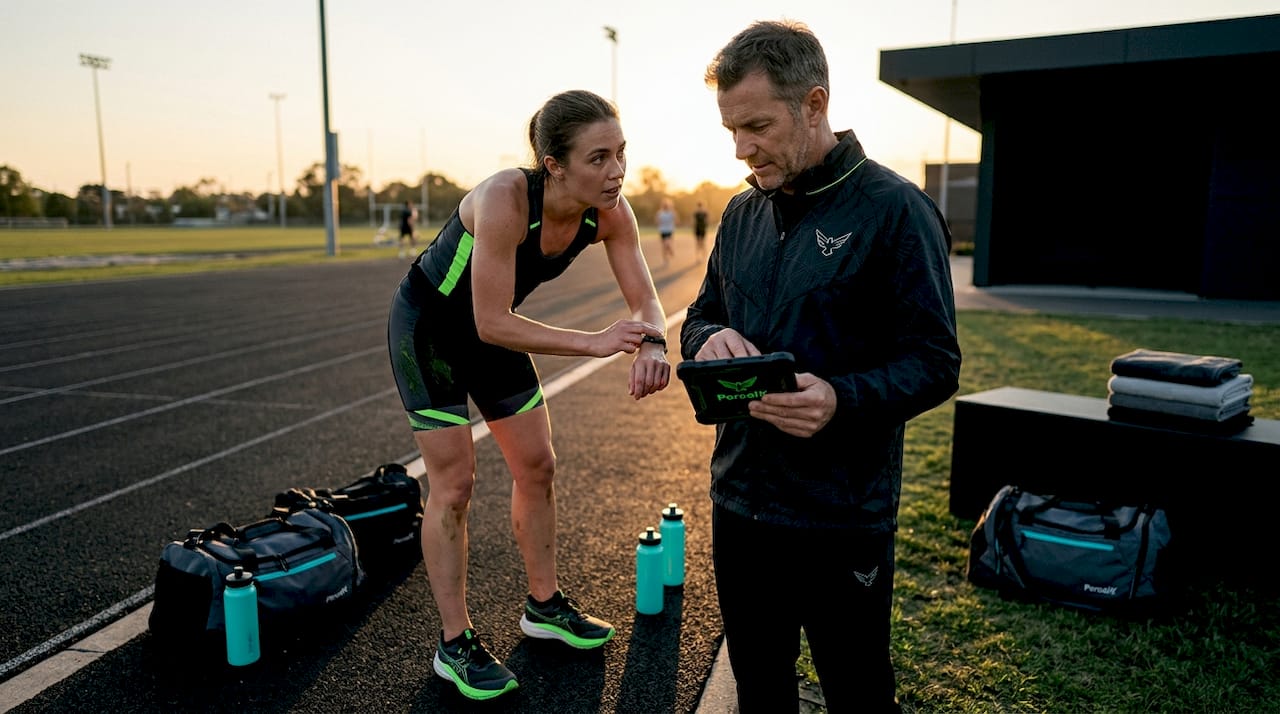
Understanding sports psychology techniques is one thing. Knowing how they are actually delivered and integrated is another. The practical implementation looks quite different from what most people imagine.
| Approach | What it looks like in practice |
|---|---|
| Isolated mental coaching | Athlete sees a psychologist separately from training; skills rarely transfer to competition |
| Integrated team model | Psychologist works alongside coaches and support staff; mental skills are embedded in training sessions |
| Repeatable pre-performance routines | Athletes practice state regulation cues before, during, and after key moments in training |
| Behavioral data integration | Psychological and behavioral patterns are tracked and used to personalize interventions |
The integrated model consistently outperforms isolated approaches. Psychological support integrated with coaches and support staff achieves better transfer of mental skills to competition than standalone mental coaching. When a coach understands an athlete's self-talk patterns or pre-competition anxiety responses, the entire training environment can be adjusted to support mental readiness.
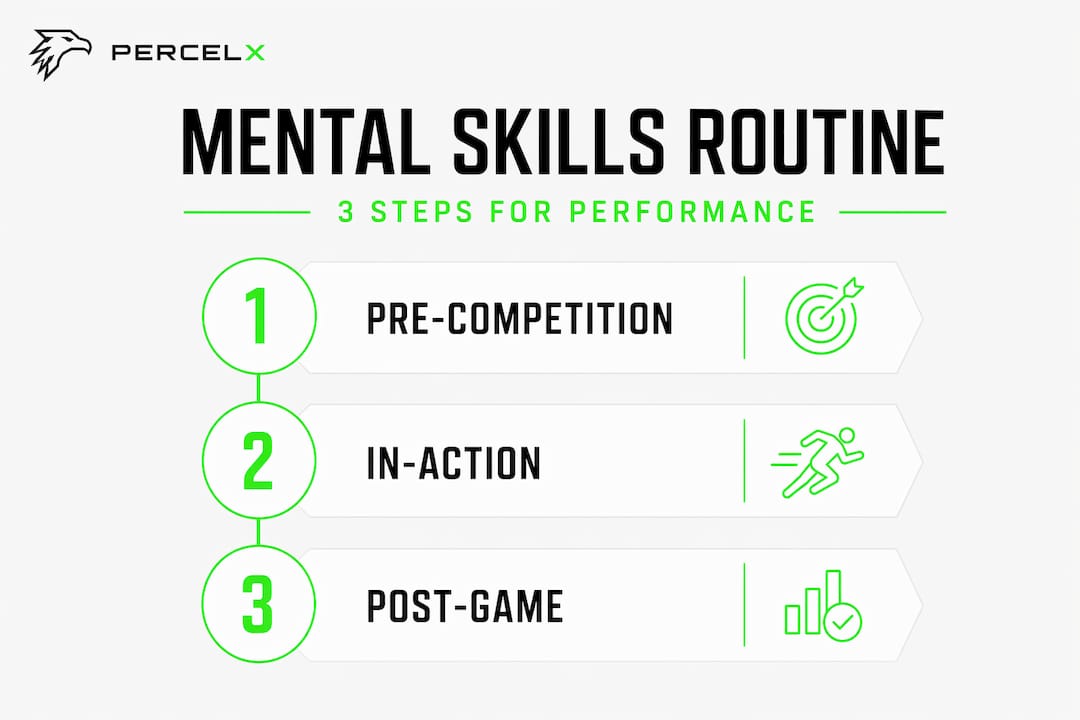
Mental skills training involves repeatable routines before, during, and after key moments to enable learned state regulation in competition. This is the critical distinction between sports psychology and a motivational talk. Motivation fades. Trained routines hold under pressure because they have been rehearsed until they become automatic.
Modern approaches also incorporate behavioral data. Emerging research tests integrated approaches targeting multiple psychological mechanisms simultaneously, including attention, confidence, and cognitive flexibility, rather than addressing one variable at a time.
Pro Tip: Ask your coach to include a two-minute pre-training mental check-in as part of your warm-up. Simply rating your focus and energy on a scale of one to ten each session builds self-awareness over time and creates a feedback loop that makes psychological interventions far more precise.
Practical steps to get started
You do not need a sports psychologist on speed dial to begin applying sports psychology strategies. There are concrete starting points any athlete can use right now.
- Start with self-assessment. Identify your mental strengths and the specific situations where your performance breaks down. Is it the first five minutes of competition? Moments after a mistake? Knowing your pattern is the first step toward changing it.
- Practice one technique at a time. Pick a single skill, goal setting or self-talk, and apply it consistently for three to four weeks before adding another. Layering too many techniques at once reduces the quality of all of them.
- Use mindfulness as a foundation. Even five minutes of focused breathing per day builds the attentional control that supports every other mental skill. This is not optional maintenance. It is training.
- Know when to consult a professional. If performance anxiety is significantly disrupting your training or competition, or if you are navigating injury recovery or a major career transition, working with a qualified sports psychologist or mental skills coach accelerates progress considerably.
- Make it a routine, not a remedy. The biggest mistake athletes make is treating mental skills work as something to pull out when things go wrong. Build it into your regular training schedule the same way you schedule strength sessions.
My take on where sports psychology is headed
I've spent years observing how athletes train, and the gap between physical preparation and mental preparation is still striking. Most athletes would never skip a physical warm-up, yet they walk into competition with no mental preparation at all. That inconsistency is costing performance.
What I've found is that the athletes who make the fastest gains from sports psychology are not the ones with the most talent. They are the ones who treat mental skills with the same discipline they apply to physical training. Consistency and specificity matter more than the particular technique chosen.
The part that sounds good in theory but rarely works in practice is the "one size fits all" mental skills program. Generic visualization scripts or blanket breathing exercises, handed out without any understanding of the individual athlete's behavioral patterns or anxiety profile, produce minimal results. Personalized assessment changes that completely.
What I believe is coming next is a meaningful integration of behavioral intelligence data with traditional sports psychology methods. Tracking how behavioral patterns shift under pressure, mapping those patterns to performance outcomes, and using that data to personalize mental training will define the next generation of athlete development. The athletes and organizations that embrace that integration early will have a real edge.
— Percell
Take your mental performance further with Percelx
If this article has made one thing clear, it is that mental performance is not accidental. It is built through self-awareness, personalized strategy, and consistent practice.

Percelx is built on exactly that foundation. The Percelx behavioral intelligence platform uses a 360° assessment approach to reveal the hidden behavioral patterns shaping your decisions, focus, and performance under pressure. For athletes and teams ready to move beyond generic mental tips, Percelx delivers customized transformation plans grounded in your actual behavioral data. Explore the team performance solutions to see how integrated behavioral intelligence can complement your sports psychology work and produce measurable results.
FAQ
What is the definition of sports psychology?
Sports psychology is the scientific study of how psychological factors influence athletic performance, sport participation, and athlete well-being. It applies to athletes at all levels, not just elite competitors.
What do sports psychologists do?
Sports psychologists teach mental skills like goal setting, imagery, self-talk, and attentional control. They also support athletes through injury recovery, performance anxiety, team dynamics, and career transitions.
How does sports psychology work in practice?
Sports psychology works best when mental skills are integrated into regular training routines alongside coaches and support staff, rather than delivered as isolated sessions separate from the athletic environment.
What are the main benefits of sports psychology?
The benefits include improved focus, confidence, resilience, and anxiety management during competition, as well as better mental health, faster recovery from setbacks, and stronger team cohesion over time.
Can amateur athletes benefit from sports psychology?
Yes. Mental skills are trainable capabilities for any athlete seeking to regulate psychological states and improve performance, regardless of competitive level or experience.