

Sports behavioral assessment is the systematic evaluation of the mental and behavioral attributes that directly influence an athlete's performance. Known formally in sports psychology as psychological skills assessment or psychometric profiling, this process identifies traits like competitive anxiety, motivation, focus, and resilience. These are the factors that separate athletes who perform under pressure from those who fall short. Psychological skills training guided by formal behavioral assessment produces an effect size of 0.83, a strong indicator that mental evaluation drives real performance gains. That number means behavioral assessment is not a soft add-on. It is a core performance tool.
What is sports behavioral assessment and why does it matter?
Sports behavioral assessment is a structured process that measures the psychological traits shaping how an athlete thinks, reacts, and competes. Physical talent sets the ceiling. Mental and behavioral patterns determine how close an athlete gets to it. Coaches and sports professionals who skip this evaluation are essentially training half the athlete.
The field draws on established sports psychology frameworks. Elite organizations like the USOPC use validated assessment tools such as the CSAI-2R for competitive anxiety and the SMS-II for motivation to evaluate athletes at the highest level. These are not experimental methods. They are standardized instruments with decades of research behind them.
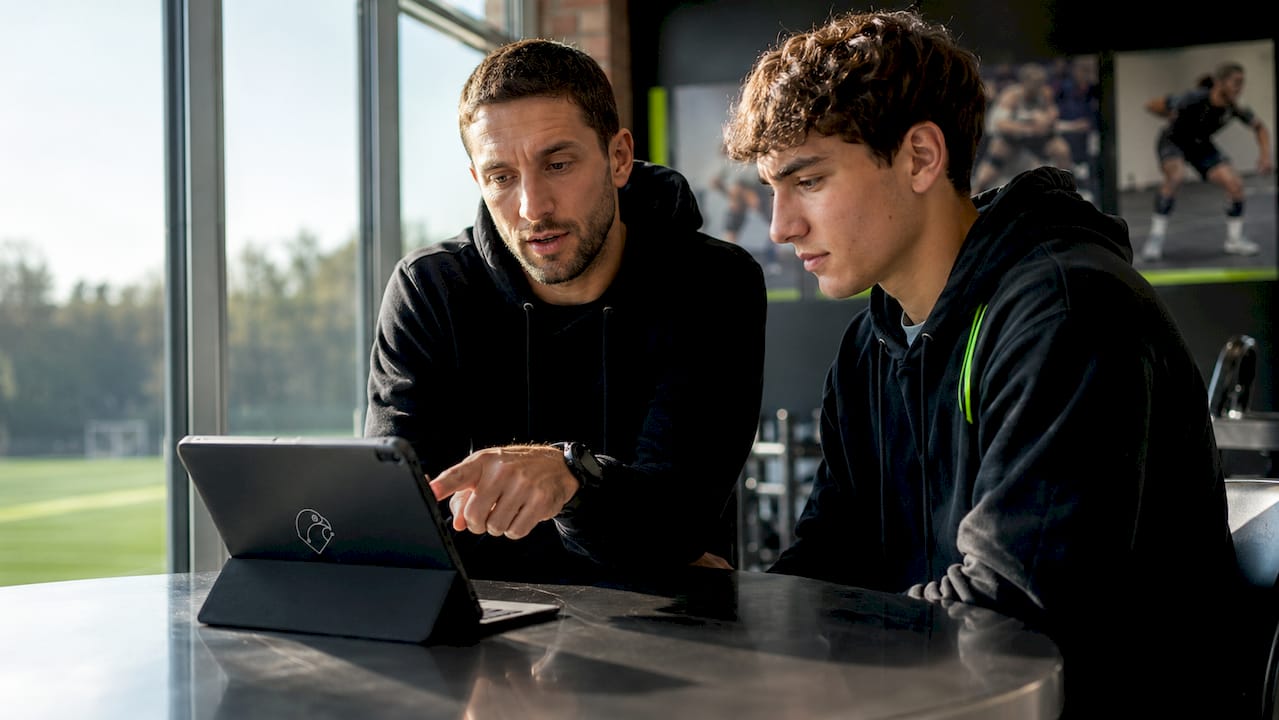
Understanding sports psychology is the foundation of this work. Behavioral patterns like avoidance under pressure, poor concentration, or low self-confidence do not appear in a sprint time or a vertical jump test. They only surface through structured psychological evaluation. That is why sports behavior evaluation has become a standard practice in elite athlete development programs worldwide.
What key traits and behaviors are measured in sports behavioral assessments?
A sports behavioral assessment covers a specific set of psychological traits. Each one connects directly to competitive outcomes.
| Trait | Assessment Tool | What It Measures |
|---|---|---|
| Competitive anxiety | CSAI-2R, Sport Anxiety Scale (SAS-2) | Somatic anxiety, worry, concentration disruption |
| Motivation | SMS-II | Intrinsic and extrinsic motivation levels |
| Mental toughness | MTQ48 | Control, commitment, challenge, confidence |
| Self-awareness | MSSA | Emotional regulation and self-monitoring |
| Focus and concentration | SAS-2 | Attention control under competitive stress |
The Sport Anxiety Scale measures somatic anxiety, worry, and concentration disruption. These are the exact patterns that cause an athlete to tighten up before a big game. Identifying them gives coaches a specific target to address, not a vague sense that an athlete "needs to be tougher."
Mental toughness is one of the most predictive traits in athletic performance. The MTQ48 assessment covers four dimensions: control, commitment, challenge, and confidence. Athletes who score high across these dimensions consistently perform better under competitive pressure. That correlation makes the MTQ48 one of the most widely used tools in elite sport settings.
Awareness of these traits does more than label an athlete. It creates a map for targeted mental skills training. A coach who knows an athlete scores low on concentration control can prescribe specific attention training protocols rather than generic motivational advice. That specificity is what makes behavioral patterns in athletics such a powerful coaching resource.
How do sports behavioral assessments improve athlete performance?
Behavioral assessments produce measurable performance gains. Teams using formal assessments report a 25% improvement in player focus. That is not a marginal gain. A 25% improvement in focus translates directly into better decision-making, faster reaction times, and more consistent execution under pressure.
The benefits extend well beyond focus. Assessments reduce performance anxiety by giving athletes a clear picture of their anxiety triggers. When an athlete understands that their pre-competition worry is a measurable, manageable pattern rather than a personal weakness, the anxiety itself loses some of its power. That shift in perspective is one of the most consistent outcomes of structured sports behavior evaluation.
Personalized mental training is the direct output of a good assessment. Tailored interventions based on assessment outcomes lead to measurable gains in focus, confidence, and emotional regulation. Generic mental training programs produce generic results. Assessment-driven programs produce specific, trackable improvement.
"Sports psychologists use behavioral assessments not to pass or fail athletes, but as tools to increase self-awareness and reduce competitive anxiety. Think of your assessment results as a mental secret weapon, not a report card."
Pro Tip: Share your assessment results with your coach before the competitive season, not after a poor performance. Proactive use of behavioral data gives you time to build mental skills before they are tested under pressure.
What are the common methods and processes for conducting sports behavioral assessments?
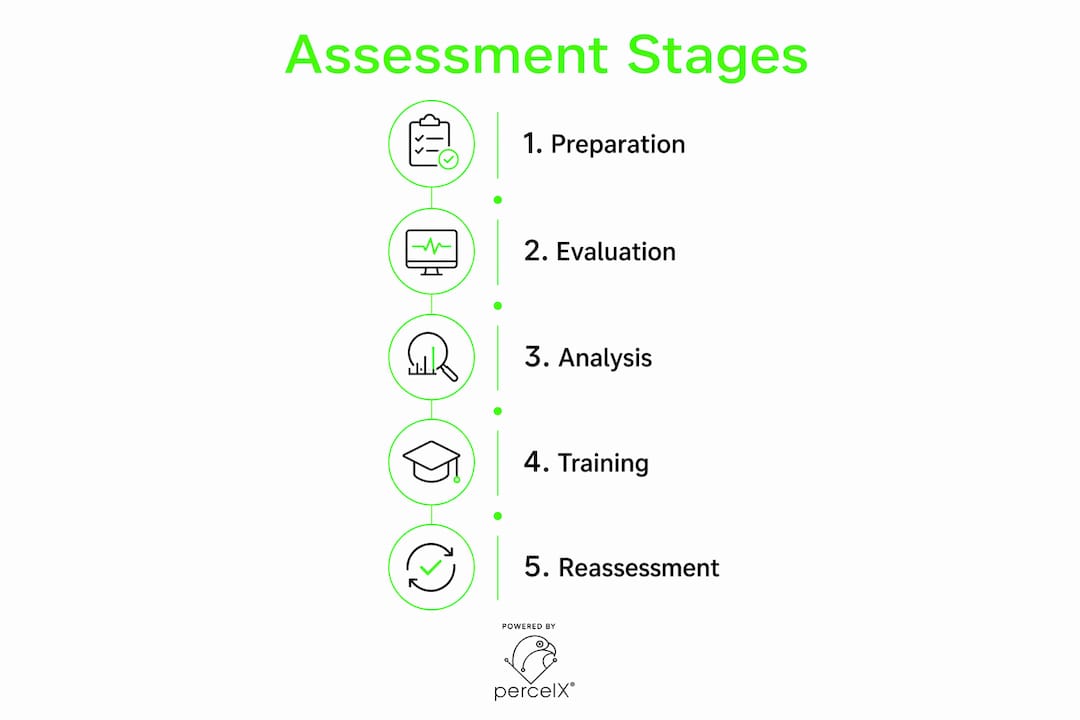
A standard athletic performance assessment follows a clear protocol. Here is how the process typically works:
- Self-report questionnaires. Athletes complete validated instruments like the CSAI-2R or MTQ48 independently. These tools are designed to surface honest self-perception without the influence of a coach or evaluator in the room.
- Coach and observer evaluations. A certified mental performance consultant or sports psychologist collects structured observations from coaches who see the athlete in training and competition. This adds a behavioral layer that self-report alone cannot capture.
- Psychometric testing. Standardized psychometric assessments are administered by qualified professionals. The USOPC and similar elite organizations require certified experts to administer and interpret these tools.
- Debrief and interpretation. Results are reviewed with the athlete in a structured session. The goal is understanding, not judgment. Athletes leave with a clear picture of their psychological profile and specific areas for development.
- Integration into training cycles. Assessment data feeds directly into the athlete's mental training plan. Coaches adjust session design, communication style, and competition preparation based on the findings.
Assessment frequency matters as much as the initial evaluation. Regular reassessment is critical to track mental performance progress and adjust psychological coaching strategies over time. A single assessment gives you a snapshot. Repeated assessments over a season give you a trajectory.
Pro Tip: Schedule a formal reassessment every 8–12 weeks during a competitive season. Mental performance shifts faster than most coaches expect, and outdated data leads to outdated training decisions.
How can coaches and athletes apply assessment results for competitive advantage?
Assessment results are only valuable if they drive action. Here is how coaches and athletes put behavioral data to work:
- Build individualized mental skills training plans. Evidence-based mental skills like self-talk, visualization, and pre-competition routines are most effective when matched to an athlete's specific psychological profile. An athlete with high somatic anxiety needs different tools than one who struggles with concentration.
- Target emotional regulation directly. Athletes who score low on emotional control benefit from structured breathing protocols, cognitive reframing exercises, and progressive exposure to high-pressure practice scenarios. These are not generic wellness tips. They are precision interventions.
- Use anxiety data to redesign competition preparation. If an assessment reveals that an athlete's anxiety peaks in the 30 minutes before competition, a coach can restructure the warm-up routine to include grounding techniques during that window. That is the kind of specific application that performance profiling makes possible.
- Communicate results constructively within teams. Assessment data shared in a team setting should focus on collective patterns, not individual weaknesses. Framing results around team strengths and shared development goals builds psychological safety and keeps athletes engaged in the process.
- Track resilience development over time. Resilience is not fixed. Athletes who receive targeted mental conditioning show measurable improvement in their MTQ48 scores across a season. Tracking that growth reinforces the athlete's belief in their own development.
The mental skills that assessments identify are trainable. That is the most important thing coaches and athletes need to understand. Behavioral assessment is not a diagnosis. It is a starting point for deliberate mental conditioning.
Key Takeaways
Sports behavioral assessment is the most direct path from raw athletic talent to consistent competitive performance, because it reveals the mental patterns that physical training alone cannot address.
| Point | Details |
|---|---|
| Assessment defines mental baseline | Validated tools like CSAI-2R and MTQ48 map anxiety, motivation, and mental toughness before training begins. |
| Focus improves measurably | Teams using formal behavioral assessments report a 25% improvement in player focus. |
| Personalized plans outperform generic ones | Assessment-driven mental training targets specific psychological gaps rather than applying one-size-fits-all methods. |
| Reassessment tracks real progress | Scheduling evaluations every 8–12 weeks during a season reveals whether mental conditioning is working. |
| Results empower, not judge | Behavioral data builds self-awareness and resilience. It is a development tool, not a pass/fail verdict. |
The mental game is the last real competitive edge
Most coaches I work with come in believing that mental training is something you add after the physical program is set. That belief costs athletes real performance. The mental game is not a supplement. It is the foundation that determines whether physical training produces results under pressure.
The most common misconception I see is that behavioral assessments are for athletes who are struggling. The opposite is true. Elite performers use these tools precisely because they are already good and want to know exactly where their next edge is. A high-performing athlete who discovers through an MTQ48 that their commitment dimension is slightly lower than their confidence dimension now has a specific target. That specificity is what separates good coaching from great coaching.
Technology is changing how this work gets done. Platforms that combine psychological assessment with real-time behavioral data are making it possible to track mental performance with the same rigor we apply to physical metrics. That shift is not coming. It is already here. Coaches who build behavioral assessment into their standard practice now will have a significant advantage over those who treat it as optional.
Mental conditioning is not a one-time intervention. It is a lifelong athletic skill. The athletes who treat it that way are the ones who perform when it matters most.
— Percell
Percelx and the science of behavioral intelligence

Percelx is built specifically for athletes, coaches, and sports professionals who want to move beyond guesswork in mental performance. The Percelx platform uses a 360° behavioral assessment approach to reveal the hidden patterns affecting decision-making, focus, and competitive resilience. It delivers customized development plans instantly, grounded in the same psychological frameworks used by elite sports organizations. With a 4.9-star satisfaction rating, Percelx gives you the data and the support structure to turn behavioral insights into real performance gains. If you are serious about the mental side of sport, Uri by Percelx is where that work starts.
FAQ
What is sports behavioral assessment?
Sports behavioral assessment is a structured evaluation of the psychological traits that influence athletic performance, including anxiety, motivation, focus, and resilience. It uses validated tools like the CSAI-2R and MTQ48 to create a measurable psychological profile for each athlete.
How does behavioral assessment improve athletic performance?
Formal behavioral assessment guides personalized mental skills training, with research showing an effect size of 0.83 and teams reporting a 25% improvement in player focus. Those gains come from targeting specific psychological gaps rather than applying generic mental training.
Who administers a sports behavioral assessment?
Certified mental performance consultants and licensed sports psychologists administer and interpret formal assessments. Elite organizations like the USOPC require qualified professionals to conduct psychometric testing and deliver results to athletes.
How often should athletes be reassessed?
Athletes benefit from reassessment every 8–12 weeks during a competitive season. Regular monitoring tracks whether mental conditioning interventions are producing measurable progress and allows coaches to adjust strategies accordingly.
Is behavioral assessment only for elite athletes?
Behavioral assessment benefits athletes at every level, not just elites. The tools identify trainable mental patterns, making them equally useful for developing athletes who want to build competitive resilience and focus from an early stage.