
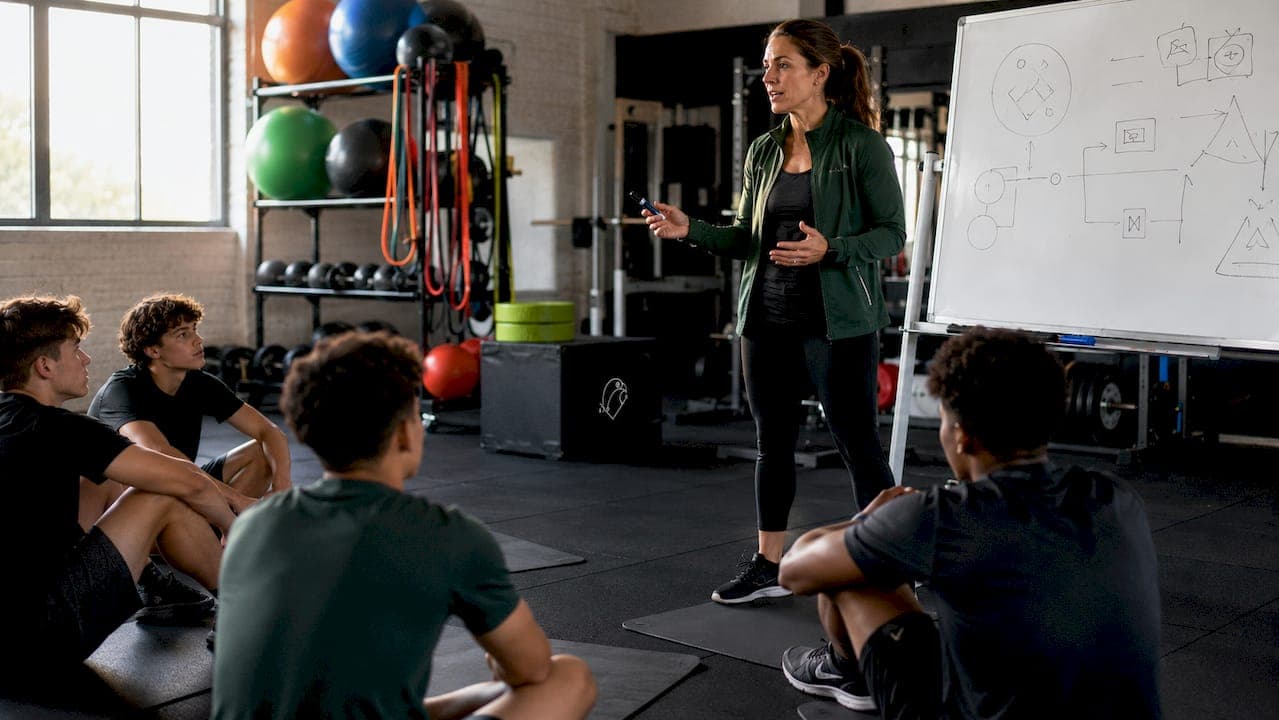
Team captains are defined as the primary peer leaders responsible for connecting coaching staff to players and shaping the daily culture of a team. When you actively coach leadership skills in team captains, you transform that role from a ceremonial title into a real performance driver. Organizations like the Positive Coaching Alliance and the Aspen Institute have built entire programs around this principle, recognizing that captains who receive structured development produce measurable gains in team cohesion, accountability, and morale. The captain leadership development process, as it is known in sports psychology and athletic leadership research, requires deliberate methods. This guide gives you those methods.
What key leadership skills should coaches develop in team captains?
The most effective captain leadership development focuses on five core competencies: communication, accountability, behavioral modeling, conflict management, and inclusivity. These are not personality traits you either have or do not. They are skills you can teach, practice, and measure.
The Positive Coaching Alliance recommends that coaches appoint captains based on effort and modeling behavior rather than skill level alone. That shift in selection criteria signals to the whole team what leadership actually means. A captain who earns the role through hustle and encouragement sets a behavioral standard that a purely skill-based selection never could.
Here is what each core skill looks like in practice:
- Communication with empathy: Captains relay coach messages, address teammate frustrations, and speak clearly under pressure. At the 2026 World Cup, Tim Ream's role as USMNT captain illustrated how captains act as communication hubs under intense scrutiny, setting tone and managing group dynamics in real time.
- Accountability enforcement: Captains hold peers to team standards without undermining the coach's authority. This requires constructive feedback skills, not just a willingness to confront.
- Behavioral modeling: Showing up early, working hard when the score is bad, and staying composed after a referee call. These visible behaviors shape what teammates believe is normal.
- Conflict management: Captains who can de-escalate locker room tension before it reaches the coach protect team culture at its most vulnerable points.
- Inclusivity: Rotating warm-up leadership, organizing team activities, and making newer or quieter players feel seen are all captain responsibilities that build belonging.
Pro Tip: When evaluating captain candidates, watch how they behave after a loss, not during a win. Pressure reveals the behavioral patterns that matter most for peer leadership.
How can coaches set clear leadership expectations and provide effective training?
Role ambiguity is the single biggest reason captains underperform. When captains do not know where their authority ends and the coach's begins, they either overstep or go silent. Both outcomes damage team culture. Pre-season leadership expectations meetings with realistic scenario rehearsals significantly reduce this confusion and build captain confidence before the first game is played.
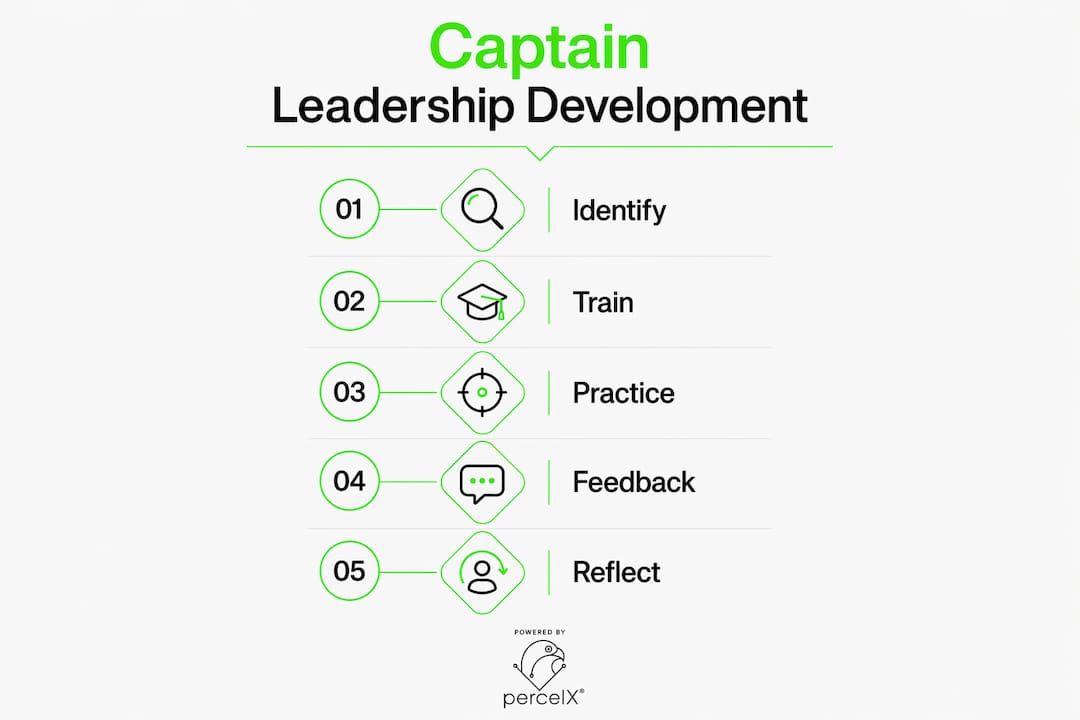
A structured pre-season captain development process looks like this:
- Hold a leadership expectations meeting. Cover exactly what captains are responsible for: warm-up leadership, communicating coach messages, monitoring team morale, and managing peer conflicts. Write it down. Ambiguity lives in verbal agreements.
- Run scenario rehearsals. Walk captains through specific situations: a teammate is visibly disengaged, two players have a conflict after practice, the team is losing badly at halftime. Ask captains what they would do. Correct and refine their responses. Scenario rehearsals prevent role confusion by making abstract expectations concrete.
- Schedule weekly captain check-ins. A 10-minute weekly conversation between you and your captain covers morale, emerging conflicts, and communication gaps. These check-ins give captains a feedback loop and give you early warning on team dynamics before problems escalate.
- Train on accountability conversations. Teach captains how to address a teammate's behavior using specific language: describe the behavior, explain its impact on the team, and ask for a commitment to change. This is a learnable skill, not a personality trait.
- Define the boundaries clearly. Captains motivate and communicate. Coaches make final decisions on playing time, strategy, and discipline. Captains who understand this boundary lead with confidence instead of hesitation.
Pro Tip: Give your captain a one-page leadership reference card at the start of the season. List their responsibilities, the scenarios you rehearsed, and your direct contact for urgent team issues. It removes guesswork and builds their sense of ownership.
Weekly leadership check-in structures used in professional consulting contexts translate directly to sports teams. The same principle applies: scheduled, structured feedback conversations produce better outcomes than ad hoc check-ins.
What are effective experiential leadership development approaches for captains?
Experiential learning, defined as leadership development through structured hands-on practice rather than observation or instruction alone, produces deeper skill retention and greater confidence in captains. Two programs demonstrate this clearly.

The Wolcott softball program uses a rotating captain model where players cycle through distinct roles: Practice Captain, Game Captain, and Culture Captain. Rotating captain responsibilities distributes leadership skill practice across the roster, reduces pressure on any single player, and builds peer accountability at every level of the team. Players who rotate through these roles gain experience in communication, organization, and culture-setting before they are ever asked to carry the full captain title.
A Frontiers research study on rugby captain leadership development found that a co-creation program produced clearer roles, stronger collaboration, and measurable improvements in team functioning. The program worked by engaging captains in self-awareness exercises, goal setting, collective reflection, and replanning cycles. That iterative loop, where captains set a behavior goal, practice it, reflect on what happened, and adjust, builds the kind of self-directed leadership that holds up under game pressure.
| Approach | What it develops | Example program |
|---|---|---|
| Rotating leadership roles | Communication, accountability, culture-setting | Wolcott softball emerging captains model |
| Co-creation of leadership behaviors | Self-awareness, goal clarity, collaboration | Frontiers rugby captain development study |
| Scenario rehearsal | Role clarity, decision-making under pressure | Touch Hall of Fame captain training guide |
| Weekly reflection cycles | Adaptability, self-correction, peer feedback | Frontiers iterative reflection model |
The key insight from both the Wolcott program and the Frontiers research is that captains grow faster when they practice leadership repeatedly in low-stakes settings before applying it in high-pressure moments. Confidence in leadership, much like confidence in athletic performance, builds through accumulated successful experiences, not through a single defining moment.
How can structured leadership programs expand captain development beyond sports?
The most durable captain leadership development programs treat leadership as a transferable skill set, not a sports-specific role. The Aspen Institute's Captains Leadership Academy is the clearest model of this approach. The program develops high school captains into civic leaders through seminars, digital tools, and community projects, explicitly connecting the communication and accountability skills captains build on the field to school governance, community service, and civic engagement.
This matters for coaches because it reframes what you are building. You are not just developing a better team captain. You are developing a young person whose leadership capacity will compound over time.
Structured programs that produce lasting results share several characteristics:
- They run as continuous curricula across a season or year, not as one-off workshops. Leadership programs modeled as continuous curricula yield more sustainable growth than isolated training sessions.
- They include mentorship components where captains receive regular one-on-one guidance from coaches or external mentors.
- They connect sports leadership to real-world contexts through community projects, school leadership roles, or peer mentoring programs.
- They use digital tools to track progress, document reflections, and maintain accountability between in-person sessions.
- They involve parents and school administrators as stakeholders, reinforcing the captain's leadership identity beyond the locker room.
For coaches working within school athletic programs, partnering with student government advisors or community organizations to extend captain leadership training into civic contexts is a practical and high-impact step. The Aspen Institute Captains Leadership Academy model is publicly documented and adaptable to programs at multiple levels.
Understanding the psychological foundations of sports leadership also helps coaches frame captain development within the broader science of performance, motivation, and team dynamics.
Key takeaways
Coaching leadership skills in team captains requires clear role definitions, structured training routines, and repeated experiential practice to produce captains who genuinely shape team culture.
| Point | Details |
|---|---|
| Select captains by behavior, not skill | Choose captains who model effort and accountability, as this sets the cultural standard for the whole team. |
| Eliminate role ambiguity early | Pre-season expectations meetings and scenario rehearsals build captain confidence before the first game. |
| Use rotating and co-created leadership | Distributing roles and co-creating behaviors deepens skill retention and reduces pressure on single captains. |
| Build continuous programs, not workshops | Sustained curricula with mentorship and reflection produce more durable leadership growth than one-time training. |
| Connect sports leadership to broader life | Programs like the Aspen Institute model show that captain skills transfer to civic and school leadership when deliberately extended. |
What I've learned about building captain leadership that actually sticks
Most coaches I work with make the same mistake: they hand a player the captain's armband and assume the title does the work. It does not. The title creates the opportunity. The development creates the leader.
What I have found consistently is that captains who receive no structured development default to one of two patterns. They either become enforcers who damage team culture through peer pressure, or they become figureheads who hold the title but carry no real influence. Neither outcome serves your team.
The co-creation approach from the Frontiers rugby research resonates with me because it mirrors what actually works in practice. When captains help define the one or two specific behaviors they will own, they feel accountable to those behaviors in a way that top-down assignment never produces. Ownership changes everything.
I also believe coaches underestimate the value of the weekly check-in. Ten minutes, once a week, where you ask your captain what they are seeing, what is working, and where they feel stuck. That conversation builds trust, surfaces problems early, and gives the captain a model for the kind of reflective leadership you want them to practice with their teammates.
The team dynamics transformation work I have seen succeed fastest always starts with the captain relationship. Get that right, and the rest of the team follows.
— Percell
How Percelx supports captain leadership development
Developing captain leadership requires more than good intentions. It requires a system for understanding behavioral patterns, tracking growth, and giving coaches the data they need to personalize their approach.

Percelx is built for exactly this. The platform's 360° behavioral assessment reveals the hidden patterns shaping how your captains communicate, make decisions under pressure, and influence their teammates. With a 4.9-star satisfaction rating, Percelx delivers customized transformation plans that turn reactive behaviors into deliberate leadership. Coaches using the Percelx team platform gain structured tools for captain reflection, accountability tracking, and culture reinforcement across the full season. If you are ready to build captain leadership on a foundation of real behavioral intelligence, explore Percelx and see what personalized development looks like in practice.
FAQ
What qualities define an effective team captain?
Effective team captains demonstrate consistent effort, clear communication, and accountability to team standards. The Positive Coaching Alliance identifies behavioral modeling and inclusivity as the most important qualities coaches should prioritize when selecting and developing captains.
How often should coaches meet with their team captains?
Weekly check-ins are the standard recommended by leadership development research and the Touch Hall of Fame captain training guide. These short, structured conversations improve role clarity and give coaches early visibility into team morale and emerging conflicts.
What is the difference between a captain title and captain leadership?
A captain title is a designation. Captain leadership is a practiced skill set built through scenario rehearsals, feedback cycles, and experiential role responsibilities. Research from Frontiers shows that co-creation and iterative reflection are what produce real leadership growth, not the title itself.
Can captain leadership skills transfer outside of sports?
Yes. The Aspen Institute's Captains Leadership Academy demonstrates that captains trained through seminars, mentorship, and community projects apply their communication and accountability skills directly to school and civic leadership roles.
How do rotating captain roles benefit the whole team?
The Wolcott softball program shows that rotating responsibilities across Practice Captain, Game Captain, and Culture Captain roles distributes leadership experience across the roster, reduces burnout on individual captains, and builds peer accountability at every level of the team.